
Listening to the Rhythm: Signs of AFib and Why You Can’t Ignore It
By Dr. Mike Coleman
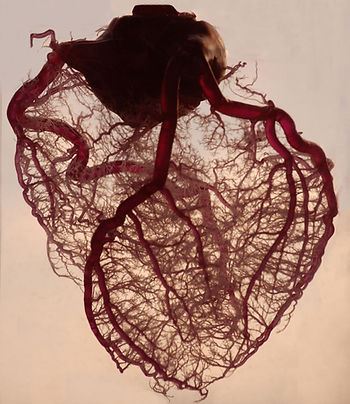
September is National Atrial Fibrillation Awareness Month, a timely reminder to pay attention to one of the most common and often misunderstood heart conditions.
Atrial fibrillation, commonly called AFib, is an irregular and often rapid heartbeat. In a healthy heart, electrical signals fire in a steady, coordinated rhythm, allowing the heart’s chambers to squeeze and relax smoothly. During AFib, the upper chambers of the heart, known as the atria, receive chaotic electrical signals and begin to quiver, or fibrillate, instead of beating effectively.
What Does AFib Feel Like?
For some people, an episode of AFib is unmistakable. For others, the symptoms are so subtle that they do not realize anything is happening.
Common symptoms may include:
Heart Palpitations
You may feel as though your heart is skipping a beat, fluttering, pounding, or racing erratically in your chest.
Unexplained Fatigue
You may feel completely drained or lack the energy to complete simple, everyday tasks, even after a full night’s sleep.
Shortness of Breath
You may become winded during light physical activity or even while sitting still.
Dizziness or Lightheadedness
AFib can cause you to feel faint, unsteady, or lightheaded, particularly when standing or changing positions.
Chest Discomfort
Some people experience mild pressure, tightness, or aching in the chest.
Sudden, severe, or crushing chest pain requires immediate emergency care. Call 911.
Silent AFib
Some people have AFib without experiencing noticeable symptoms. It may only be discovered during a routine medical examination, an irregular pulse check, or through an alert from a wearable device.
What Can Happen If AFib Goes Untreated?
AFib symptoms can come and go. These temporary episodes are sometimes called paroxysmal AFib. Because the symptoms may disappear, people can be tempted to dismiss them as stress, anxiety, or too much caffeine.
However, leaving AFib unmanaged can carry serious long-term risks.
Stroke
When the upper chambers of the heart quiver instead of pumping effectively, blood can pool and form clots. A clot can travel to the brain and cause a stroke. AFib-related strokes may be especially serious and disabling.
Heart Failure
When the heart constantly beats too quickly or out of rhythm, the lower chambers may be forced to work harder. Over time, this can weaken the heart and affect its ability to pump enough blood to meet the body’s needs.
Chronic Fatigue and Difficulty Concentrating
When the heart does not pump efficiently, the body may not receive the oxygen-rich blood it needs. This can contribute to low stamina, persistent fatigue, and difficulty concentrating.
Blood Clots in Other Organs
Blood clots can also travel to arteries supplying the kidneys, intestines, legs, or other parts of the body, potentially causing serious blockages.
What You and Your Family Can Do
AFib is serious, but it can often be managed effectively when it is identified and treated.
1. Learn How to Check Your Pulse
Place your fingers on the inside of your wrist and count your pulse for 30 seconds. Pay attention to whether the rhythm feels steady or irregular. If your pulse frequently feels uneven or seems to skip beats, discuss it with your healthcare provider.
A pulse check alone cannot diagnose AFib.
2. Speak With Your Physician
If you experience episodes of a racing heart, fluttering, unusual shortness of breath, dizziness, or sudden exhaustion, contact your healthcare provider. Your physician may recommend an electrocardiogram, also called an ECG or EKG, or a portable heart monitor.
3. Understand Your Treatment Options
Treatment depends on each person’s symptoms, overall health, and risk factors. Options may include medications to help control the heart’s rate or rhythm, blood thinners to reduce stroke risk, lifestyle adjustments, and procedures such as catheter ablation.
Your healthcare provider can help determine which approach is appropriate for you.
4. Make Heart Health a Family Conversation
Encourage the people you love to pay attention when something feels different. A racing or irregular heartbeat, unusual exhaustion, shortness of breath, or dizziness should not automatically be dismissed or ignored.
Recognizing the signs and seeking medical guidance early can make an important difference.
Medical Disclaimer
The information shared by Hearts and the Family is for educational, informational, and supportive purposes only. It is not a substitute for professional medical advice, diagnosis, or treatment.
Always consult your physician, cardiologist, or another qualified healthcare provider regarding medical conditions, symptoms, testing, or treatment. Never disregard professional medical advice or delay seeking care because of something you have read here.


Comments